

Frenectomy Consultation: The Function-to-Treatment Care Path
When feeding feels difficult or your child cannot move their tongue comfortably, it is natural to wonder whether treatment is needed. A frenectomy consultation should answer that question without assuming the procedure is the only solution. The visit connects your child’s symptoms, daily challenges, and tongue movement to a clear care plan.
What Is a Frenectomy Consultation?
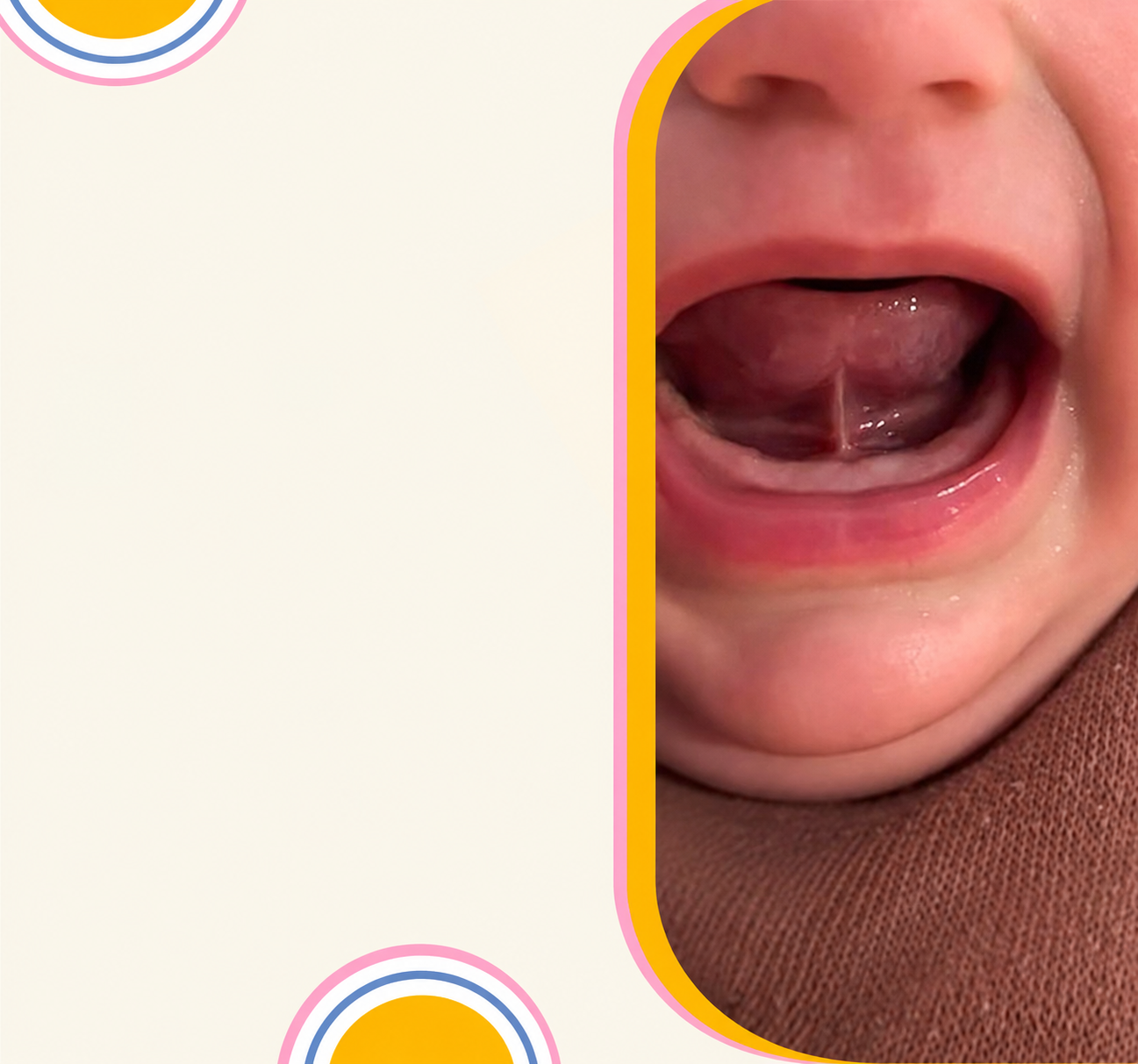
A consultation is a focused visit that determines whether a tight band under the tongue or lip is limiting useful movement. It usually includes a feeding history assessment, a mouth examination, and a discussion of possible next steps. Booking the visit does not commit your child to treatment.
Why Does Tongue Function Matter?
Appearance cannot show the whole problem. One baby may have a visible restriction but feed well, while another may have poor suction and struggle to transfer milk. A useful frenectomy evaluation asks what the tongue can do and whether limited movement matches the concern that brought the family in.
The American Academy of Pediatrics recommends considering feeding support first and reserving treatment for clear problems that continue despite that help.
What Does Feeding History Reveal?
Parents provide information that a brief examination cannot. The dentist may ask about breast or bottle feeding, painful nursing, clicking, leaking milk, long feeds, tiredness, or weight concerns. Share what has already been tried, including position changes, different bottles, or feeding support.
For older children, describe trouble chewing, swallowing, managing textures, cleaning the teeth, or making particular sounds. Dr. Barnes uses these details to understand the concern before connecting it with the examination.
How Is Mouth Function Observed?
A breastfeeding assessment may include watching the baby latch and feed. The provider may look for repeated loss of suction, milk leaking, clicking, poor rhythm, or jaw fatigue. Bottle feeding can also reveal whether the baby maintains a seal and drinks without working too hard.
Older children may be asked to lift the tongue, move it sideways, swallow, or complete a simple eating or speaking task. These observations show how the mouth works outside a still photograph.
What Does the Oral Exam Check?
During the pediatric oral examination, the dentist checks the tongue, lips, mouth shape, teeth, and gums. A simple tongue elevation test may show whether the tongue can rise toward the roof of the mouth. Forward and side-to-side movement may also be checked.
No single movement passes or fails the child. The findings are compared with feeding, eating, or speech concerns to see whether they tell the same story.
Which Frenectomy Care Path Fits?
The consultation should end with a reasoned recommendation. Depending on the findings, the next step may look different for each child.
Feeding Support Comes First
When latch or feeding technique may be contributing, focused support can be tried before treatment. Improvement after these changes may show that a release is unnecessary.
Monitoring May Be Enough
If movement is adequate and the child is growing, eating, or speaking without a clear problem, the dentist may recommend watching for changes instead of treating appearance alone.
Frenectomy Treatment May Help
Treatment may be discussed when limited movement closely matches a continuing problem and simpler measures have not solved it. Parents should receive realistic benefits, limits, risks, and follow-up expectations.
Another Cause May Need Attention
Feeding and speech problems can have several causes. When the examination does not explain the symptoms, the child may need help from a pediatrician, feeding specialist, or speech professional.
Can Treatment Happen the Same Day?
A same-day frenectomy may be available for infants after the evaluation. At Tiny Ties, infant releases can be completed during the consultation when parents decide to proceed, while older children are generally scheduled separately. Parents can explore the available pediatric frenectomy services to better understand their child's treatment options.
Convenience should not replace a careful decision. Dr. Barnes explains the findings, comfort options, home care, and expected follow-up so parents can make an informed choice. Ask the office for its specific feeding and preparation instructions before arriving.
Which Questions Should Parents Ask?
A pediatric dentist consultation should give you answers you can use. Consider asking:
- What movement is limited?
- How does it connect to my child’s symptoms?
- Could another issue be responsible?
- What support could we try first?
- What improvement should we reasonably expect?
- Is same-day treatment suitable for my child?
- What will follow-up involve?
- Can we take time to decide?
What Happens After the Visit?
You should leave with one defined next step: support, monitoring, another evaluation, or treatment. The plan should also identify what progress looks like. For an infant, that may mean a steadier latch or better milk transfer. For an older child, it may mean easier tongue movement during eating or another specific task.
A Good Consultation Creates a Clear Plan
The purpose of the visit is not simply to find a tight area. It is to identify what your child is struggling to do, determine whether restricted movement contributes, and choose the least complicated step that can help. A clear plan lets parents act with evidence rather than pressure.
Why Choose Tiny Ties?
Tiny Ties gives families a clear, child-focused path from concerns to next steps. Dr. Barnes listens to feeding or movement concerns, completes a detailed examination, explains what the findings mean, and helps parents understand whether support, monitoring, or treatment fits their child’s needs without rushing the decision at each visit.
What Do Parents Ask Most?
These questions address the practical concerns families often have before booking or agreeing to care.
Does a Consultation Mean Same-Day Treatment?
No. A frenectomy consultation first checks symptoms, feeding, and tongue movement. Same-day treatment may be offered for infants, but parents should proceed only after they understand the findings, choices, and follow-up plan.
What Should I Bring to the Appointment?
Bring completed forms, a list of feeding concerns, notes about weight or painful nursing, and any reports from feeding specialists. For an infant, ask the office whether to bring a bottle or plan to feed during the visit.
Will the Dentist Watch My Baby Feed?
A feeding assessment may be included when it can clarify the problem. Watching latch, suction, leaking, clicking, and tiredness helps the provider compare your report with how your baby actually feeds.
Does a Visible Restriction Always Need Treatment?
Not necessarily. A visible restriction can exist without causing a meaningful problem. The pediatric dentist should compare appearance with tongue movement, feeding, growth, eating, or speech concerns before discussing treatment.
Can Parents Wait Before Deciding?
Yes. Unless there is an urgent feeding or growth concern, parents can ask about support, monitoring, or a second opinion. A good pediatric dentist consultation should explain the likely benefits and limits before you choose.
Related Posts
Frenectomy Consultation: The Function-to-Treatment Care Path

Does Tongue Tie Need Surgery? A Balanced Parent Decision Map

Tongue Tie Assessment: How Function, Feeding, and Motion Fit
